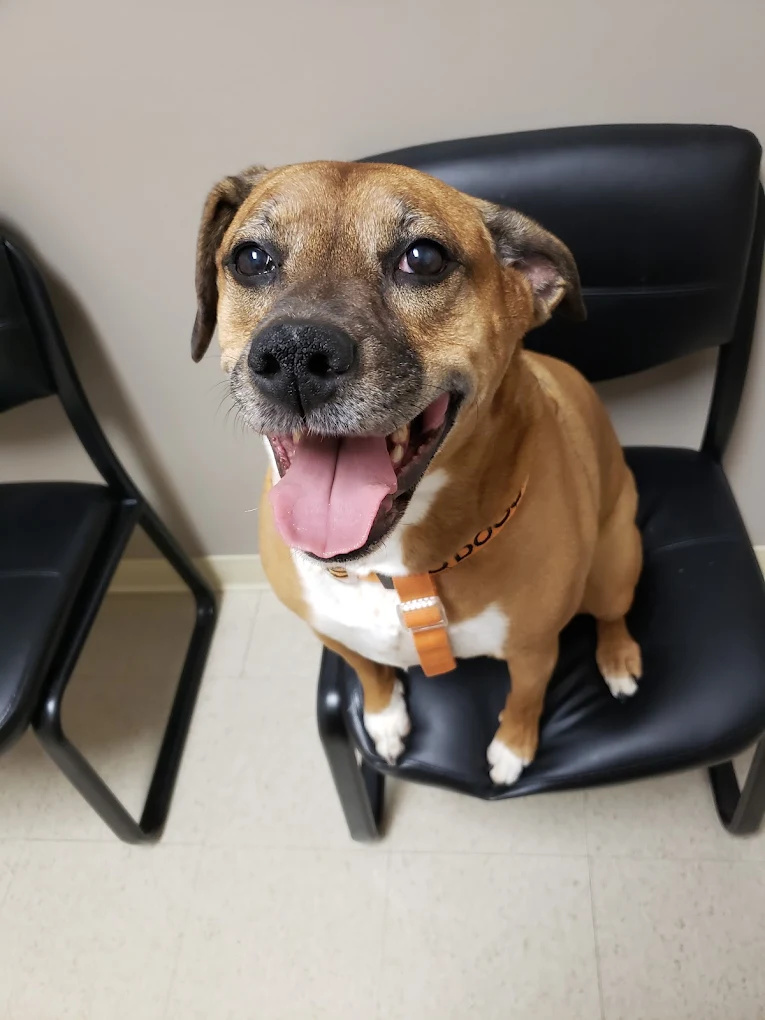
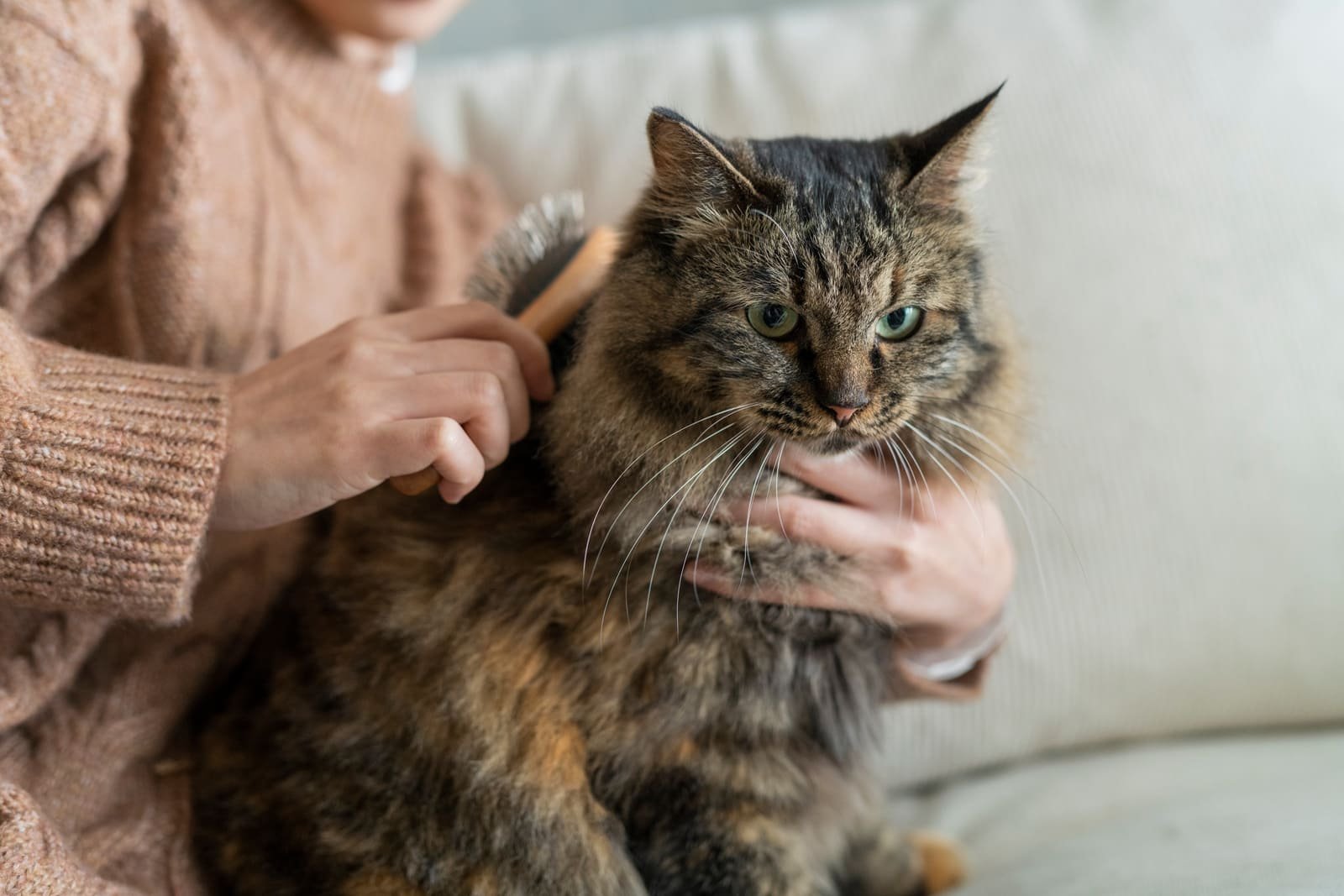
It’s been muddy. Dogs love walking through mud. Dogs love rolling in mud. These are just facts. Well, these are just facts in my household.
The rolling isn’t just limited to mud, either. The smellier or more disgusting the pile, the more inviting it is to roll in. There are several theories as to why they do this primarily including to brush out loose fur or dirt, as an instinct to cover their own scent, or just because it feels good. What our little dirt-divers don’t realize is two out of three of those reasons will likely lead to a bath for them. Now a bath is an enjoyable experience for many crusty canines, but for others it’s akin to cruel and unusual punishment. Here are a few “Do’s and Don’t’s” to ensure your pet’s grooming routine is healthy and peaceful.
First, before you even get started, make sure you have the proper tools. This includes nail trimmers, a styptic powder like Kwik-stop (to stop bleeding nails), a pet-specific shampoo, an ear cleaner with a drying agent, a coat-appropriate brush, and a pet toothbrush. Check out our online pharmacy for many of your grooming needs and until April 30th you can use the promo code NOHEARTWORM2021 to get 15% off your entire first order! If you plan on trimming your pet’s fur as well, we highly recommend purchasing clippers with a guard and watching a tutorial (or three) before you attempt it on your own.
Take a look at our tips below and keep reading for a bonus tip for those…especially smelly situations!
DO:
- Go slowly: This isn’t a race. Getting it done faster, doesn’t always mean better. Let your pet dictate the pace for nail trims, fur shaving/trimming, and teeth brushing. If you’re only able to get one paw done at a time, great! You were able to get one paw done!
- Brush your pet’s teeth regularly: The conventional wisdom is to brush your pet’s teeth once a day. We’re ecstatic if you can get it done 2-3 times a week and happy if you can get it done once a week. Use pet specific products and as we mentioned before, go as slowly as your pet needs.
- Clean out your pet’s ears regularly: This one may not apply to all pets, but it is a good idea to check their ears once a week to make sure they aren’t red, inflamed, smelly, or producing a dark discharge. If your pet is prone to ear infections, cleaning them out with a “drying” cleanser may save you a trip or two to the vet every year. It’s also recommended you clean them out after your pet goes swimming or a bath.
- Get your pet accustomed to handling for grooming (and vet care): A little work at home can go a long way to making grooming at home, grooming appointments, and vet appointments much more pleasant for your pet. From a young age, play with their feet, their ears, and practice hugging them to accustomed to these common triggers. Bring out the treats whenever you bring out the nail trimmers or clippers, and bring these items out often, even when you aren’t using them. Let your pet get used to them by sniffing them and touching them to your pet WITHOUT trying to use them. Give them a treat and hearty word of encouragement when they respond positively. Go back a step if they are still hesitant or fearful.
- Check for ticks often: Look under the ears, the folds on the neck, and where the legs meet the body especially. Do this thoroughly. Do this frequently. Do this in the winter. Yes, the winter.
- Use heart worm, flea, and tick prevention year-round: Yes, we know this isn’t exactly a grooming tip, but it’s important and can’t be said often enough. If you are using a topical, make sure you follow the directions regarding bathing. Generally, topicals need your pet’s skin oil to work effectively so you shouldn’t bathe them 48 hours BEFORE AND AFTER applying the prevention.
DON’T
- Bathe your pet everyday: By bathing everyday, you risk drying your pets fur and skin out. This can lead to dander, itchy skin, and potentially infections if they scratch too much. Of course, there is no one-size-fits-all bathing schedule, but a general rule of thumb is once every four weeks. If your pet is especially dirty or smelly, by all means, wash them more often. If this is a constant problem, there may be an underlying issue and it is recommended you schedule an appointment with a veterinarian. If your dog just really likes mud, like the ones mentioned above, use a damp clothe to get the dirt and mud out of their fur. (As far as we’re concerned, it’s all mud; nothing else. You can’t convince us otherwise.)
- Use scissors to trim fur: Do. Not. Use. Scissors. Unless. You. Are. Trained. That is all there is to this one.
- Use human health and beauty products, including toothpastes, essential oils, perfumes, and soaps/shampoos: Human products can contain chemicals unsafe for pets or can irritate their skin, eyes, etc. Some toothpastes contain xylitol, which is toxic to pets.
- Treat wounds, lesions, or rashes without consulting with a veterinarian: At best, over-the-counter treatments will only offer temporary relief. In the worst case scenario, they can actually exacerbate the issue, causing more irritation, discomfort, or damage.
- Get frustrated: Sometimes pets have bad days, too. It may seem like you were making great progress and then all of a sudden, your pet backslides. This happens and it is fine. Meet your pet where they are as far as comfort with grooming goes. Bring out the treats. The more relaxed and positive you can make the experience, the better your pet will respond. For some pets, they will never be comfortable with some or all aspects of grooming. That’s why there are professionals and, in some cases, medication.
These tips should form a good basis for healthy, safe, and pleasant at-home grooming for both you and your pet. As you gain experience, you’ll learn more tricks to make grooming easier and more pleasurable. As always, if you have any questions, please call the clinic. Don’t forget to take advantage of our current offer of 15% off your first online order. Use the code NOHEARTWORM2021 at
our online store.Bonus
Some dogs just know how to make friends, and like people, they don’t always make the best choices when it comes to friends. So when your dog decides to make friends with the neighborhood skunk and comes home a smelly, mix up the following recipe and use it as a shampoo:
- 1 pint of Hydrogen Peroxide
- 2 tbsp of Baking Soda
- 1/2 tsp of Liquid Dish Soap
It could take a couple washings over a few weeks, but it should cut the smell noticeably after only the first bath.